Categories
Blog 博客分享

Easy Prawn Ball Recipe with Smashed Prawn Paste + Bonus Recipe

Our Blogs

Interesting Tasty Facts

(Personal Experience) Easy Prawn Ball Recipe with Smashed Prawn Paste + Bonus Recipe

For many people, the memory of their favourite foods dates back to childhood. I am no exception, and when I think of the most delicious and memorable dishes, I always think of the wonderful Prawn Paste and Cucumber my grandmother made when I was a child.

I was introduced to this dish when I stayed at my grandparents’ house years ago.

The combination of prawn paste and cucumber is the best. These days, I usually eat this dish as a side dish with rice. I love making this dish when my family visits, as they love it so much.
Small Leaf Prawn Paste

A Great Alternative - MY Daun Prawn Paste

Many of us love spending time in the kitchen and cooking for our beloved family. But there are times when it’s too rushed and we really need the dish to be ready in as little as 10 minutes.

And that’s why I love MY Daun Prawn Paste (Small Leaf), an easy and quick alternative to my favourite prawn dishes. My Daun Prawn Paste is made from large chunks of fresh and fine prawns.

Each bite creates a smooth, slightly springy texture that retains the flavor of the prawn.

It can be a stand-alone dish, a complement to ingredients, or blended into a varied dish. For me, I always love incorporating this dish into my home-cooked meals

All in All

My Daun Prawn Paste is highly recommended for busy mothers or even working adults who want to enjoy the wonder of prawn dishes but don’t have time to prepare from scratch.

Lastly, MY Daun Prawn Paste does not require thawing! This means you can just steam it straight from the fridge and enjoy this wonderful prawn dish in just 10 minutes. Enjoy the yummy, nutritious, and easy-to-prepare MY Daun Prawn Paste, only from EB Frozen Food!
Categories
Blog 博客分享

Is It Better to Buy Fresh or Frozen Seafood?

Our Blogs

Interesting Tasty Facts

Is It Better to Buy Fresh or Frozen Seafood?

Is It Better to Buy Fresh or Frozen Seafood?
Although it may appear that fresh seafood is a healthier option than frozen, the fact is that both fresh and frozen seafood can be healthy options if stored and prepared properly.

The freshness of the seafood, which is affected by how fast it was frozen, can affect its taste and texture, among other things.

Due to modern freezing processes, the quality of the seafood in the freezer area is superior to that in the cases adjacent to it.

This is due to the fact that most seafood is now frozen straight on the boat, only minutes after being caught, in flash-freezing devices that maintain temperatures well below the average home freezer. Farm-raised fish is also frozen on-site, as freezers are built inside the farm.

There are several advantages to purchasing frozen seafood, including taste, convenience, and cost.

Because the seafood is frozen at its peak of freshness, all of its flavour, nutrients, and texture are preserved. And it makes no difference whether the fish is fatty or lean, thick steaks or thin fillets, as long as it is properly frozen.

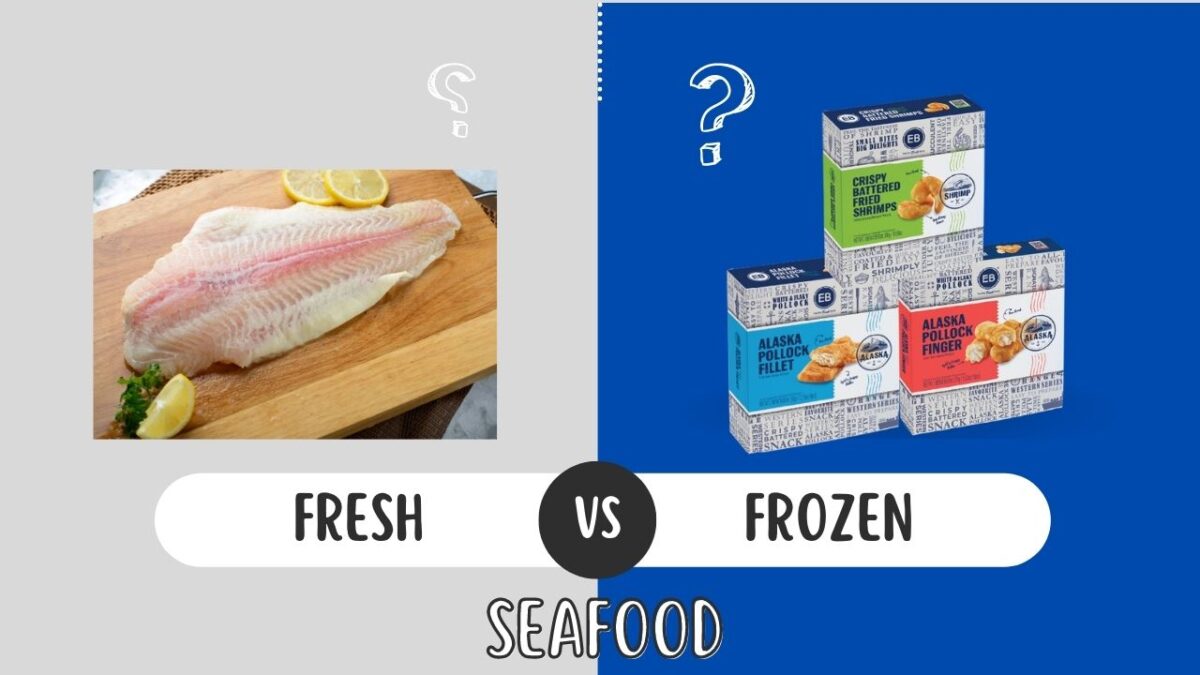
For example, these frozen seafood products from EB Frozen Food: Alaska Pollock Fillet, Alaska Pollock Finger, and Crispy Battered Fried Shrimp, always have their nutrients locked in, unlike fresh produce that loses some nutrients during storage over time.

In fact, the nutritious content of frozen shrimp products is the same as or even higher than that of fresh seafood. In general, the mineral composition stays the same as in fresh meals.

Why is frozen seafood better than fresh seafood?

1. Convenience

Nothing tops frozen seafood products in terms of convenience. Assume you’ve had a busy day, you haven’t planned dinner, and you need to make something quickly.

Those well-packaged frozen Alaska pollock fillets in your freezer could come in very handy at such times. They defrost quickly and can be used as an ingredient in any other meal.

2. Longer Shelf Life

The majority of seafood is frozen using flash-freezing technology shortly after being caught. This process preserves the seafood well, allowing it to survive considerably longer than fresh seafood.

Fresh seafood may be stored in the refrigerator for about 2 days, while frozen fish can be kept for up to 6 months.

For instance, frozen seafood makes it possible for you to enjoy wonderful fish from all over the world and at any time of year, allowing you to eat summer or winter fish anytime you wish.

3. Consistent Quality

As long as the seafood is frozen quickly using appropriate methods, the freshness of the seafood is frozen in time. 

The quality of the seafood is not adversely affected and is equivalent to that of fresh seafood. Freezing the seafood keeps its quality and the majority of its nutritional value.

Fresh seafood is also more difficult to handle and transport, and it is more prone to bacterial infection.

Frozen seafood, on the other hand, is easier to transport safely as long as it is kept cold enough, and you can be sure that its quality won’t change from the boat to your plate.

4. More Economical

Frozen shrimp and other seafood products are often less expensive than fresh seafood since fresh seafood is more time-sensitive and requires faster transit methods to market. Fresh fish in season is likewise more expensive since supplies are limited.

As a result, frozen fish can be an excellent alternative if you want to buy in bulk or save money. Frozen fish is also less wasteful for home cooks since you can simply thaw out what you need from the freezer while cooking.

In a Nutshell

Overall, the differences between fresh and frozen seafood are minimal—it all comes down to personal choice (and the requirement for convenience!). The ease of cooking seafood from frozen is evident, whether you’re baking EB Food Alaska Pollock Fingers or microwaving EB Food Crispy Battered Fried Shrimp.

We understand the importance of spending time with family, which is why our handy frozen seafood makes mealtimes a breeze. Ensure that you get your seafood from EB Frozen Food, your trusted halal frozen food supplier in Malaysia.

EB Frozen also has other mouth-watering frozen products such as frozen western food, frozen shrimp products, halal frozen dim sum, and many more.
Categories
Blog 博客分享

Bean Curd Skin (Fuchuk / Fuzhuk) Dessert Recipe Idea

Our Blogs

Interesting Tasty Facts

Bean Curd Skin (Fuchuk / Fuzhuk) Dessert Recipe Idea

fuchuk sweet soup

What is Bean Curd Skin (Fuchuk / Fuzhuk)?

Tofu skin, also known as beancurd skin, beancurd sheet, or beancurd robes, is a soybean-based culinary product.

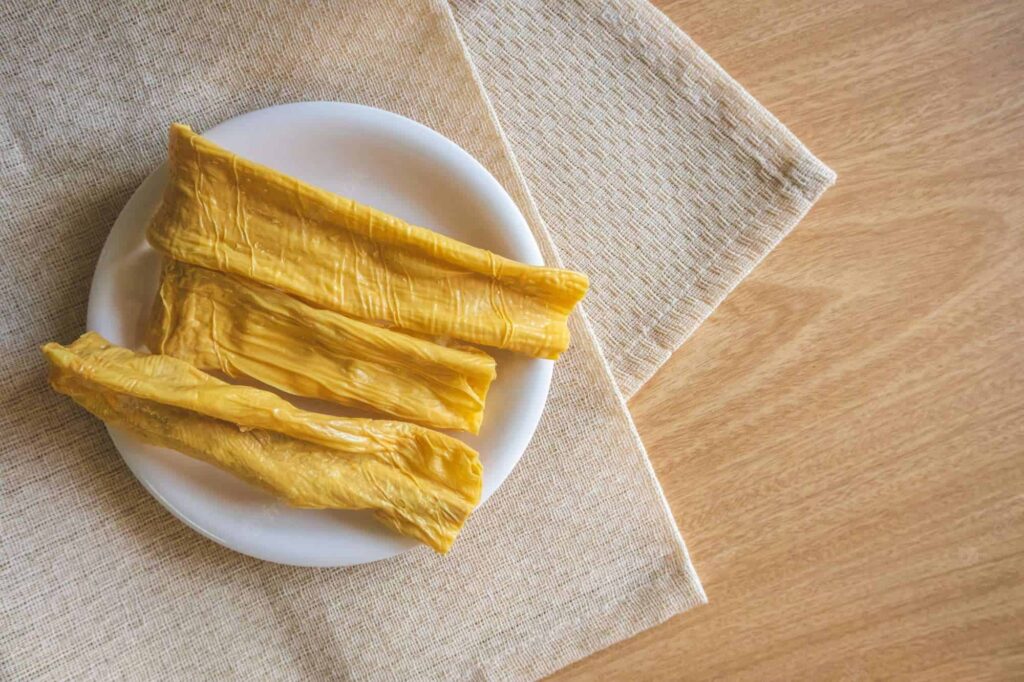
When boiling soy milk in an open shallow pan, a film or skin forms on the liquid surface, made mostly of a soy protein-lipid combination. The films are gathered and dried into fuchuk / fuzhuk, which looks like yellowish sheets.

Tofu skin is not technically tofu because it is not made with a coagulant; yet, it has a texture and flavour that is similar to certain tofu products.

In the sixteenth century, people in China, Korea, and Japan started to consume fuchuk / fuzhuk. Today, it’s commonly used in Chinese, Korean, and Japanese cuisine, whether fresh, fermented, or dried.

Types of Bean Curd Skin (Fuchuk / Fuzhuk)

1. Dried Fuchuk / Fuzhuk Sticks

Fuchuk
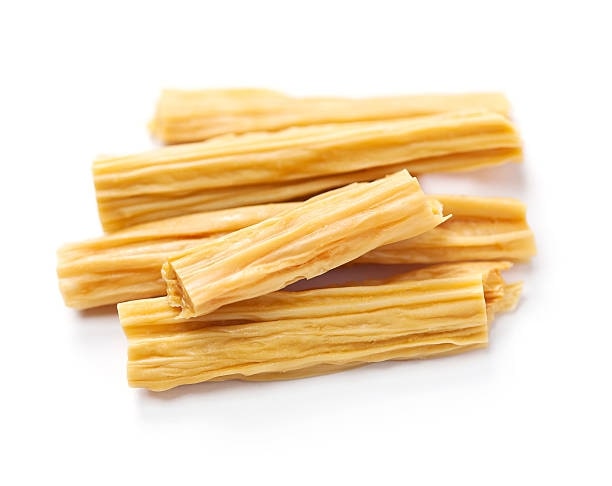
Bunching the fuchuk / fuzhuk produces dried tofu skin in the form of a stick, known as Yuba. Yuba is frequently used as a meat substitute (particularly chicken), which is why it’s also referred to as tofu chicken.

Tofu sticks, like dry fuchuk sheets, must be rehydrated before cooking. One popular method of preparing tofu sticks is to cut them into bite-size pieces after rehydrating and braising in sauce.

This allows them to absorb the flavours of the spices and seasonings in the sauce—a similar process in which real tofu absorbs the flavours of the ingredients it comes into contact with during cooking.

2. Yuba

Like tofu, Yuba is also made from soybeans. A film forms on the surface of soy milk as it boils.

Fresh Yuba resembles thinly sliced tofu, but due to the aggregation of soy proteins that make up this unique ingredient, it is denser and has a bouncy ball quality.

The congealed top of simmering soy milk is traditionally plucked off with a long, big stick and hung to dry to form Yuba.

This could happen several times in a single vat of heating soy milk, a byproduct of tofu production. And that’s the reason why it is called ‘tofu skin’.
Yuba

3. Fresh Tofu Skin

fresh tofu skin

Most often than not, fresh tofu skin is available frozen. It can usually be bought from a vegetarian food shop.

Fresh tofu skin is perfect for those who wish to explore other protein sources other than meat.

Preparation is simple and straightforward. There is no need to rehydrate. Simply chop and cook.

Here’s the simplest way to make and eat it.

Fuchuk / Fuzhuk Dessert Recipe

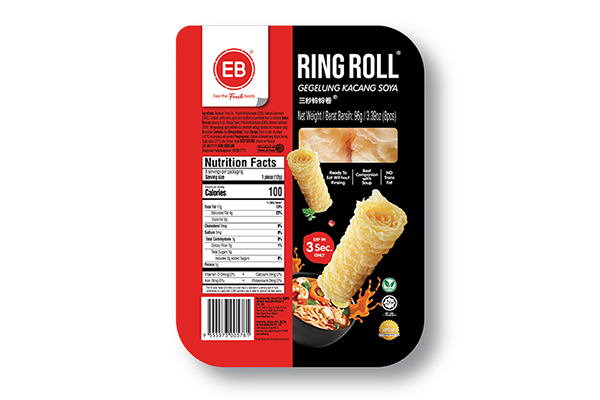
Ring Roll-8pcs
EB Ring Roll
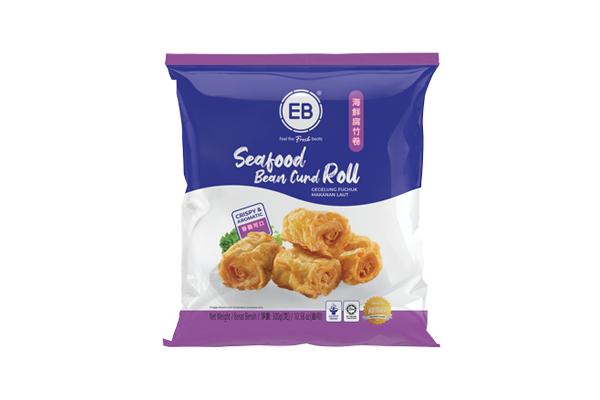
Seafood Bean Curd Roll-300g
Seafood Bean Curd Roll
Fish Bean Curd Roll-300g
Fish Bean Curd Roll
Fish Yuba-300g
Fish and Yuba
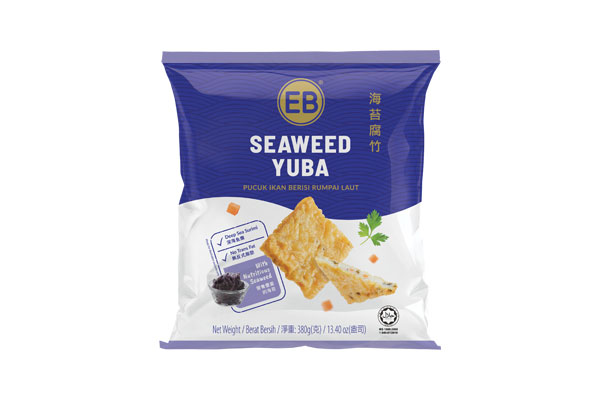
Seaweed Yuba-380g
Seaweed Yuba
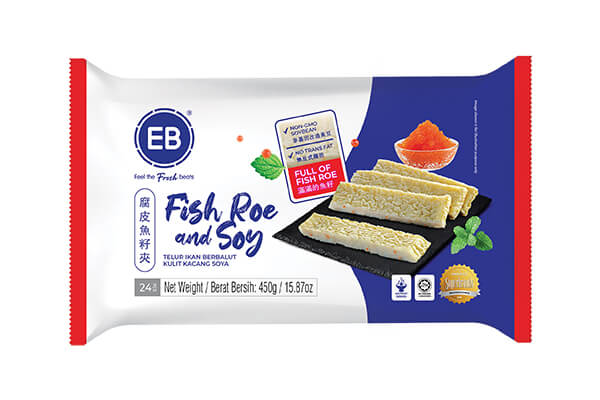
Fish Roe Soy Pre-cut-500g
Fish Roe and Soy (Pre-cut)
Fried Bean Curd Sheet
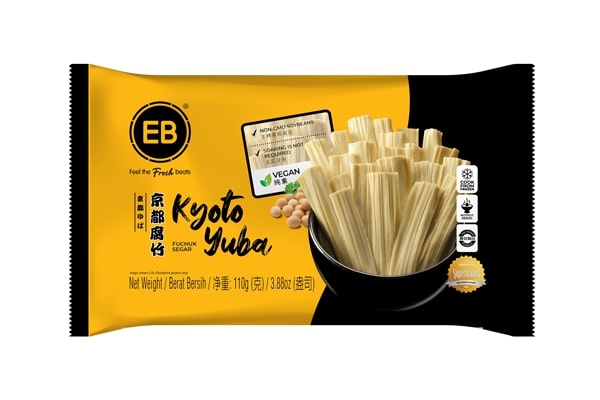
Kyoto Yuba 110gm
Kyoto Yuba
Categories
Blog 博客分享

Ways to Cook Shrimp Wonton

Our Blogs

Interesting Tasty Facts

Ways to Cook Shrimp Wonton

mushroom shrimp wonton.jpg
Shrimp wonton can be prepared in a variety of ways. Boiling and steaming are two of the most common methods. You can start preparing the shrimp wonton once you have all of the ingredients ready.

If you prefer not to spend your time cleaning out fresh shrimp and start everything from zero, you could get your fresh frozen shrimp products from EB Frozen Food, your favourite dim sum supplier in Malaysia. This way you can save time in cooking the delicious shrimp wonton.

Cooking your own wonton doesn’t have to be troublesome. Follow the methods below and have them ready in 10 minutes!

Let’s get started.

EB Shrimp Wonton

The first step for cooking a delicious shrimp wonton is to get EB Shrimp Wontons from a reliable dim sum supplier or local supermarket in Malaysia. EB frozen shrimp wontons can make cooking a lot easier.

The ingredients are chosen carefully to ensure that the taste of the shrimp wontons remains until they are cooked.

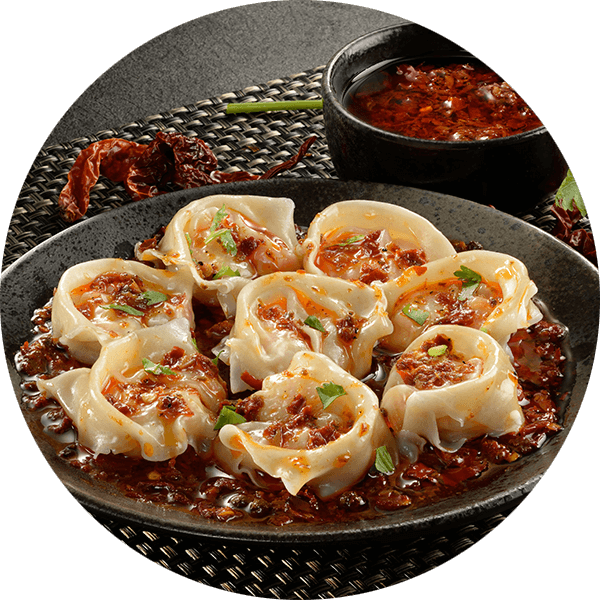
EB Frozen Food offers two varieties of shrimp wontons: Shrimp Wonton with Mushroom Seasoning and Shrimp Wonton with Mala Sauce.

These shrimp wontons come with a unique taste that lingers in your mouth long after eating the last piece, making you want more.

Shrimp Wonton

Shrimp Wonton with Mushroom Seasoning

This variation of shrimp wonton comes with mushroom seasoning. It is filled with juicy whole shrimps and wrapped in wonton skin. The package comes with a deliciously made mushroom seasoning that guarantees extra flavour.
Shrimp Wonton Mala

Shrimp Wonton with Mala Sauce

This variation of shrimp wontons comes with spicy mala sauce in its packaging. It is also made with juicy whole shrimp and wrapped in premium wonton skin.

This shrimp wonton is a winner among spicy food lovers. The mala sauce is hot enough to produce a numbing sensation.

Do you dare to try it? Give it a try and you will love it!

Ways to Enjoy These Shrimp Wontons

There are several ways to enjoy the Shrimp Wonton with Mushroom Seasoning and the Shrimp Wonton with Mala Sauce.

You can choose to boil it and serve it with your favourite sauce.

In a Nutshell

These are the most common ways to prepare shrimp wontons. 

Give fresh frozen shrimp products such as EB Shrimp Wonton Mala and EB Shrimp Wonton with Mushroom Seasoning a try, and you will fall in love with them. 

Preparation is simple and straightforward. Just follow the aforementioned methods.   

Everything can be ready in less than 10 minutes. Enjoy!

Categories
Blog 博客分享

10 Tips to Get Your Kitchen Prepared for Ramadan

Our Blogs

Interesting Tasty Facts

10 Tips to Get Your Kitchen Prepared for Ramadan

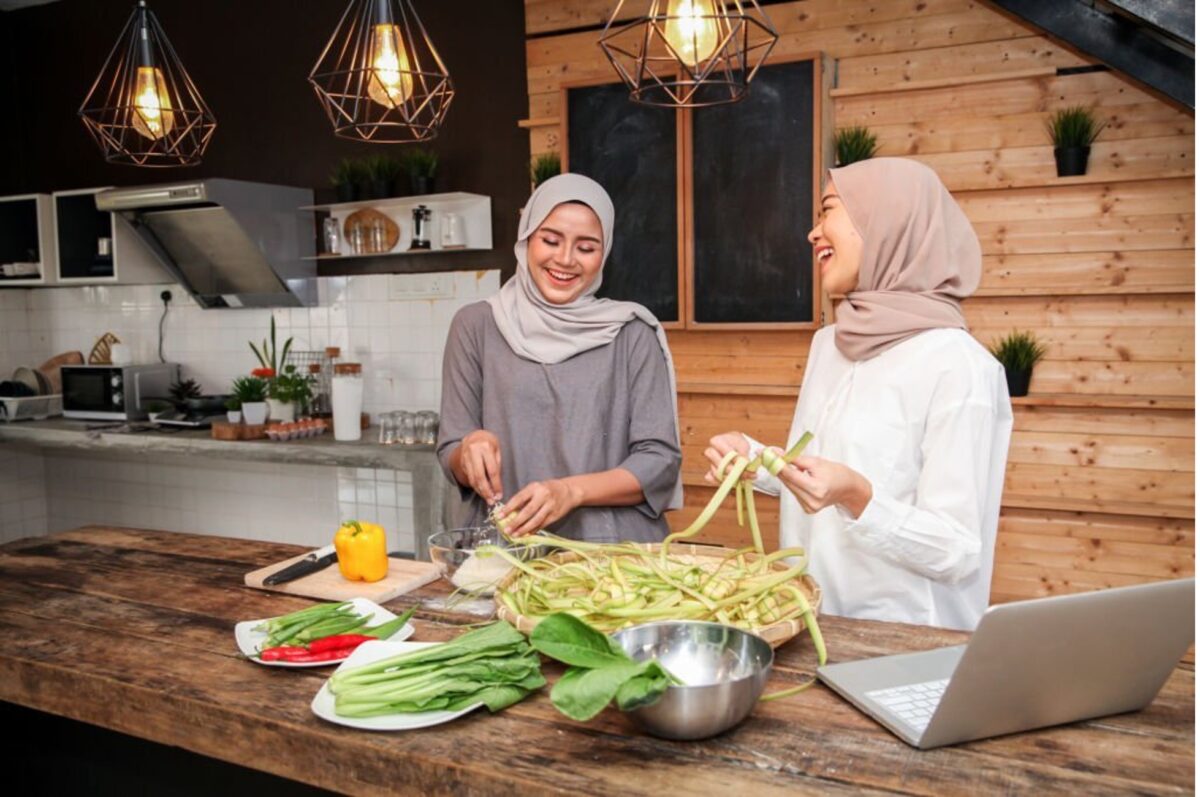
2 muslim girls preparing food

Muslims look forward to Ramadan because it is a time when they strive to do more ibadah and good deeds.

Except for those who know how to make their kitchens so that making Iftar is easy for them, every day in Ramadan can be hard for Muslim women due to the amount of work they have.

Keeping high spirituality and Ibadah on track while working full-time as housewives and mothers, caring for children and household chores, and preparing meals for the family to enjoy breaking the fast together can be difficult during this season.

At the end of the day, Muslim wives find themselves in the kitchen, preparing Iftar, deserts, and drinks and snacks for the children.

We’ll share ten tips for preparing your kitchen for Ramadan in this post so you can have the time to concentrate on other aspects of the season.

1. The Basics

Clean your kitchen and refrigerator thoroughly, getting rid of everything that you don’t need to make room for the months’ worth of food.

Prepare various ingredients for meals throughout the week so that you only have to complete the final steps of combining the ingredients each day.

For instance, prepare a sufficient supply of onions, garlic, and tomato sauce in the refrigerator; wash and season the halal frozen chicken and meat product; make some hibiscus-flavoured beverages and store them in the refrigerator.

2. Prepare a Grocery List

Make a list of everything you’ll need for the month and buy everything in one or two trips. For example, if you’ll cook some halal frozen food, frozen halal dim sum series, etc. write them down.

Don’t overspend and try to be as cost-effective as possible.

3. Shop (online) in Large Quantities

Don’t go overboard with this. For instance, only buy fruits and vegetables when they’re needed to avoid spoilage.

Halal frozen chicken products, rice, pasta, (pita) bread, oil, and spices are all items that you should stock up on.

Make a list of the different kinds of meat you’ll need for each meal, as well as the quantities of each. Freeze and label everything once you’ve purchased it.

Also, shopping online and having food items delivered to your home will save you time and stress. You can buy everything online from halal dim sum dishes to halal frozen chicken products.

4. Prioritize Your Tasks

Start with the most basic tasks and work your way down to the ones that are less important to you.

5. Establish a Checklist

Put both basic and extracurricular activities on this list. This will serve as both a reminder and an alert if you have too many or too few tasks on your list.

6. Make a Plan Ahead of Time for the Meals you Want to Prepare

Make a schedule for each meal and stick to it. To avoid having to hunt for specific ingredients, keep them in cupboards and on shelves that are easy to reach.

Prepare some dishes ahead of time and freeze them if you’re going to have them more than once. This saves time, allowing you to spend more time worshiping.

7. Make Advance Arrangements for Family Visits

If you don’t plan ahead, inviting friends to Iftar can be a lot of work. Prepare quick and easy meals like the frozen halal dim sum dishes. If possible, prepare some or all of the foods a day ahead of time for the visit.

If possible, have someone assist you with food preparation, lifting, and dishwashing, and if you have children, encourage them to assist you.

8. Make Use of Any Leftovers You May Have

Never throw food away; instead, try to repurpose leftovers or give them to the less fortunate.

In order to discipline one’s food intake, the Prophet (peace and blessings be upon him) would break his fast with dates, milk, and a light meal.

Simplify your diet. Drink soup, and for dessert, eat fruit. It’s better for your health and cuts down on time spent in the kitchen.

9. Clean the Kitchen As You Cook

Clean while you cook to avoid a mess after you leave the kitchen during Ramadan. This month’s most significant element is time.

10. Appointments and Visits Should be Scheduled

If at all possible, avoid unnecessary outings and set specific times. Make it clear to your family and friends that Ramadan is a special time for you, and that you would prefer to devote more time to prayers and related activities than to going out.

All in All

Make sure you’re getting enough nutrients in your diet. Healthy eating will provide you with the energy you need to work, pray, and perform your other responsibilities.

As much as possible, avoid eating junk food and foods high in fats; this type of diet will make you sleepy and lazy and pose a health risk.

It’s also vital to get some rest. For you to be able to complete the month at the same pace, you’ll need enough sleep hours.

That’s the 10 tips that can help to ease your work in preparing your kitchen for Ramadan.

We from EB Food wish you a happy Ramadan!
Categories
Blog 博客分享

The Brief History of Dim Sum

Our Blogs

Interesting Tasty Facts

The Brief History of Dim Sum

dim sum

What is Dim Sum?

Dim sum refers to small, bite-sized foods served in bamboo steamer baskets or on small plates, and it is a Cantonese expression. Dim sum means “to touch the heart” in Chinese.

Steamed, roasted, or fried, these little quantities of food can be savory or sweet. The portion of dim sum is usually small, and there are a great variety of dim sum dishes with different tastes and flavors to choose from.

For instance, Cantonese dim sum has a very diverse range of flavors, textures, cooking styles, and ingredients. They can be divided into regular items, seasonal offerings, weekly specials, banquet meals, holiday dishes, house signature dishes, and travel-friendly meals. They can also be broken down into breakfast or lunch foods and late-night snacks.

The Origins of Dim Sum

Dim sum is eaten all across China and in some parts of the world, including Malaysia. However, the dishes are thought to have originated in Guangdong, in southern China, before making their way to Hong Kong.

After opium dens were outlawed across the country, Cantonese dim sum culture developed in tea houses in the late 1800s in Guangzhou, the capital of Guangdong.

Travelers and traders on the Silk Road would stop for a dim sum meal at tea houses. As they traveled, the practice grew in popularity across the area, particularly in Hong Kong.

While sipping tea, all guests were able to sit down, rest, chat, and eat. At the time, these kinds of tea establishments could be found on nearly every street and corner. The seeds of today’s modern dim sum tradition were planted at that time.

Dim sum nowadays can contain cuisines and cultures from all around China and Malaysia. Frozen dim sum, including those that are halal, is also available in Malaysia today. The culinary form, however, has mostly remained unchanged.

Dim Sum Restaurants

In most dim sum restaurants, there are several dozen different foods to choose from. However, tea is equally important and must be present. Many Cantonese restaurants start serving dim sum as early as 5 a.m., while more traditional restaurants don’t start serving dim sum until the middle of the afternoon.

Customers are served dishes from steam-heated carts in dim sum restaurants, which is a unique serving method. Restaurants are now serving dim sum for dinner and selling a la carte dim sum items for takeout.

Some chefs develop innovative fusion-based dim sum and halal dim sum dishes in addition to conventional dim sum. For example, dumplings and buns shaped like animals, for example, come in versions that look good on social media.

Popular Dim Sum Dishes

Steam dumplings (Siu Mai)

Steam dumpling dim sum are usually shaped into a cup and sometimes topped with mushrooms. Most dim sum restaurants have this dish on their menu. It is a must-have on the tea table.
Tiger Prawn Roll-250G
Tiger Prawn Roll Product Photo

Prawn Roll (Har Guen)

Generously packed with giant tiger prawn in a roll completely covered in crispy bean curd skin made of soybean. It’s a popular choice for customers to order in dim sum restaurants.

Phoenix claws (Fung Zao) or chicken feet

Phoenix claws (Fung Zao) or chicken feet may appear strange at first, but they become a local delicacy after being deep-fried, boiled, marinated, and steamed. The soft, sticky tendon beneath the skin is flavored with black bean sauce.
Golden Crispy Prawn Cake Packaging
golden crispy prawn cake

Crispy Prawn Cake

Deep fried prawn cake is also a popular choice for Malaysians when having dim sum. Generous amount of prawn paste covered with beancurd skin and fried with breadcrumbs covered. It’s a perfect match with tea.

Congee (Zuk)

Congee (Zuk) is a savory rice porridge that can be eaten plain or accompanied with meat and vegetables. Whether made at home or in a posh dim sum restaurant, it’s a popular breakfast option.
Shrimp Wonton Product Packaging
wonton

Shrimp Wonton

Wonton is made with fresh whole prawn and wrapped in wonton pastry, the shrimp wonton tastes tender and juicy and is perfect for a dim sum breakfast and is best served when it’s steaming hot!

Rice noodle rolls (Cheong Fun)

For any Cantonese family, rice noodle rolls (Cheong Fun) are a must-have breakfast. Beef, eggs, and shrimp are folded into wide steamed rice noodles. A dash of sweet soy sauce is usually added to enhance the flavor.

In a Nutshell ​

When eating out is a hassle, especially during the Covid-19, the answer is to create a downscale experience at home, and the famous dim sum meals mentioned above are the fantastic ones to start with.

Instead of trying to prepare everything from scratch, look for a dim sum supplier in Malaysia for frozen dim sum (halal ones are also available) to make the cooking process faster and less stressful.
Categories
Blog 博客分享

Ten Exciting Food Resolutions For The New Year

Our Blogs

Interesting Tasty Facts

Ten Exciting Food Resolutions For The New Year

Wondering how to make exciting 2022 food resolutions? Here is a list that you can refer!
New Year’s resolutions are usually difficult to keep. We’ve all been in that situation. When it comes to your health, though, making a few commitments to yourself is essential. When times are rough, especially during a pandemic, it’s even more important to eat well and keep healthy.

Here are ten exciting food resolutions that you can make for 2022.

1. Eat as a family

With so many varied schedules and activities, it can be difficult for families to sit down and have a meal together these days. However, it’s recommended to sit down as a family to enjoy a delicious meal at least 2 or 3 times a month. In this regard, having a steamboat meal together is a good idea. You can choose to add delicious foods like Shishamo and seafood tofu to your steamboat.

These foods come with a certain smoothness and a springy texture with seafood flavour—the right addition to your steamboat. It’s a lot easier to keep to your New Year’s resolutions when your family is participating, plus it allows for more fun and bonding, which is priceless.

2. Try cooking different cuisines

One of the easiest strategies to get out of a culinary rut is to commit to trying new cuisine. From Brazilian to the Caribbean, Moroccan, Vietnamese and Chinese, these travel-inspired recipe collections will bring new flavors to your table.

3. Practise mindful eating

Mindful eating is based on the Buddhist practice of mindfulness, and it entails paying complete attention to your meal in the present moment without being distracted by anything else. This is especially beneficial to the cephalic phase of digestion when your stomach creates digestive fluids in reaction to the sight, taste, or smell of food.

4. Add, don't take away

Resist the urge to cut food out and focus on what you can add! Underappreciated foods with significant nutritional profiles include seeds (chia, flax, sesame, pumpkin, sunflower), microgreens, spices, and fermented foods. Sprinkle seeds on your toast, add microgreens to your sandwich, try turmeric and ginger dishes, and toss some kimchi into your grain bowl. Your brain and gut will appreciate it.

5. Keep your fridge stock

If you have a particular diet, ensure that your fridge is stocked with your required foods. Having your preferred foods always available will make it easier to stick with your resolutions. For example, if you’re going to have steamboat dinner with friends and family later in the week, you need to visit your steamboat frozen food supplier early enough to ensure that you have all the necessary ingredients.

EB Frozen Food is your trusted frozen food supplier for your steamboat dinner. The steamboat 5-in-1 pack comes with Cheese Tofu, Fish Sandwich, Seafood Tofu, Fish Ball, and Seafood Beancurd Roll, 5 types of popular premium quality steamboat dishes for you to have all at once.

6. Make your resolutions approachable

More achievable resolutions are more sustainable than fully eliminating certain foods. Rather than eliminating specific foods in January, which can lead to massive binging in February due to extreme deprivation, we advocate eating them in little portions. For example, if you’re trying to switch to a vegetarian diet, rather than quitting beef or chicken altogether, commit to having a small portion 1 to 2 times each week. Allowing for those indulgences may make the path much simpler to keep to without making you feel deprived.

7. Eat more fruit, plant-based foods, and veggies

On the surface, this one doesn’t appear to be all that fascinating – but it can be! Everyone should eat more fruits and vegetables than they already do, but the secret is to make it fun. Try buying a different vegetable every week and serving it as a side dish to get more veggies into your diet. Moreover, plant-based foods like fuchuk and Kyoto Yuba are healthy, delicate in taste, and very rich in protein.

8. Drink more water

You’ve undoubtedly heard that you should drink two liters of water every day, but to be more precise, you should drink 30 milliliters of water per kilogram of your body weight per day. For example, if you weigh 75 kilograms, you’ll need two and a quarter liters of water every day. Water is necessary for a variety of body activities, including temperature control, digestion, and blood circulation. If you’re having trouble getting enough water, consider adding fresh herbs or citrus slices to your water.

9. Stop the fad dieting

Rather than following fad diets that promise quick results while jeopardizing your metabolic and mental health, pick a nutrition plan that not only matches your objectives but also fits into your lifestyle. A well-balanced diet would yield gradual but long-term effects. It should be a diet that can easily become a way of life rather than a luxury.

10. Eat more whole foods

Making a deliberate effort to load your plate with more whole foods (such as vegetables, fruits, whole grains, legumes, nuts, seeds, tofu, and pure protein sources) and fewer processed foods is the easiest approach to start a healthy year. By establishing the habit of eating more whole foods, you can enjoy a lower rate of heart disease, cancer and type 2 diabetes.

All In All

Though most New Year’s goals are only kept for a short period, the healthy resolutions outlined above are long-term strategies for improving your physical and mental health. Developing a healthy connection with food and taking better care of your body and mind will have a significant impact on your overall health.

Categories
Blog Sticky 博客分享

Dumplings vs. Wontons: What is the Difference?

Our Blogs

Interesting Tasty Facts

Dumplings vs. Wontons: What is the Difference?

dumplings vs wontons

Wontons and dumplings are delectable delicacies that are famous throughout China and Asia.

The difference between a dumpling and a wonton is that a dumpling is made of dough that either contains ingredients or has a filling, but a wonton is a traditional Chinese dumpling that typically has stuffings like meat (chicken wonton) or seafood (shrimp wonton), and veggies.

The main difference between dumplings and wontons are as follows:

  • Dumpling wrappers are much thicker than Wonton wrappers.
  • In Chinese cuisine, there are many distinct varieties of dumplings, and a wonton is one of them.
  • Wontons are often filled with meats, pork, or vegetables, however, dumplings can be eaten with or without a filling across the world.
  • Dumplings are served with a dipping sauce because their filling is usually mildly seasoned, but wontons are served without one since their filling is usually fully seasoned.
  • Dumplings are typically circular, but wontons can be triangular, rectangular, or even square in form.

Dumplings

Dumplings become increasingly popular during the Chinese New Year.

They are an essential part of each New Year’s celebration as a sign of family happiness.

Although they are popular around the New Year, they can also be eaten as a lunch or dinner at any other time of the year.

Due to a lack of time or the intricacy needed, not everyone, particularly working adults, have time to prepare a range of dim sum.

Nonetheless, you can still enjoy this delicious meal with EB frozen dim sum series without having to worry about cooking time.

Once unpacked, EB frozen dim sum takes only a few minutes to steam or boil before they’re ready to eat!

Dumplings can be enjoyed in different ways: cooked, steamed, or fried.
shanghai dumplings

1. Boiled Dumplings

Boiled dumplings are a great substitute for noodles and rice. It’s week-round comfort food.

They come out with a burst of flavours if you know how to cook them, making them delectable.

You can also purchase readymade dumplings if you don’t know how to cook them or don’t have the time.

2. Steamed Dumplings

The boiled dumplings are more difficult to cook than steamed ones.

This might be because the dough is easier to roll here.  It is, in fact, a light and nutritious type of dumpling.

Many people in China eat them for breakfast, but they can be eaten at any time of day.
steamed dumplings

3. Fried Dumplings

Fried dumplings are usually heavier than the steamed and boiled ones.

They’re also good as appetizers and comfort meals.
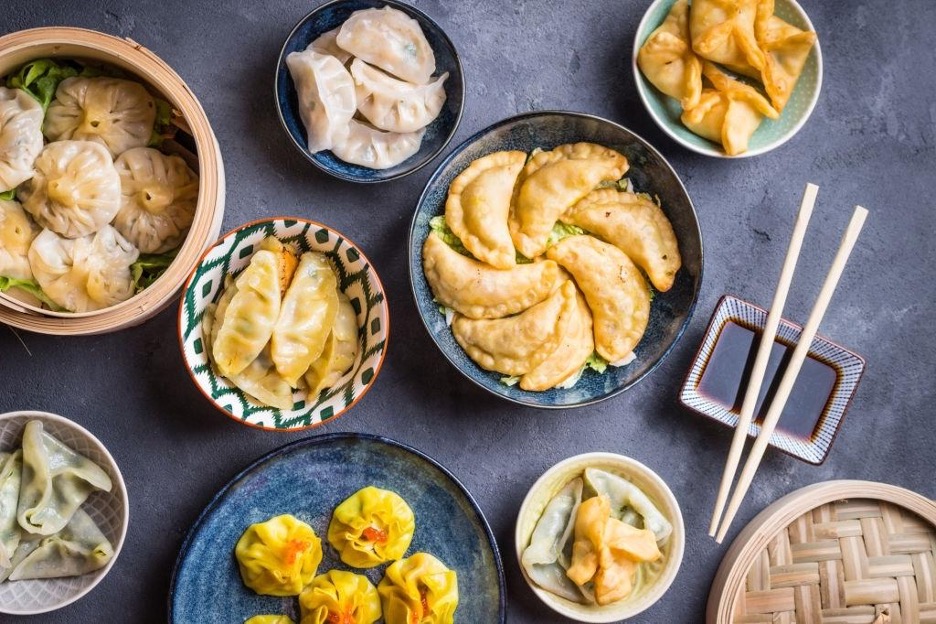
Although these dumplings are referred to as “fried,” they are cooked in two stages: first, they are fried in oil on one side in a very hot wok, then steamed in the same wok by adding water and covering it.

After steaming for a few minutes, the dumplings have a crispy bottom, soft top, and tender filling.

Wontons

Wontons are generally deep-fried or served with soup.

They can be shaped into various forms and prepared in several ways, such as steamed, boiled, or fried.

People in Asia and other parts of the world like wontons with a variety of ingredients, such as the EB Frozen Foods shrimp wonton with mushroom seasoning and EB shrimp wonton with mala sauce.
shrimp wonton
shrimp wonton
The EB Frozen Foods shrimp wonton with mushroom seasoning is made with delicious whole shrimp and wrapped in wonton dough.

It comes with a packet of specially prepared mushroom seasoning. It’s tender and juicy in the mouth.

The shrimp wonton with mala sauce, on the other hand, is also made with juicy whole shrimp and wonton dough.

You’ll be immersed in a hot and numbing feeling when you spoon over the ready-made hot Mala sauce.
Both the EB Shrimp Wontons are an excellent way to make dinner on busy weeknights.

They are incredibly convenient and very easy to prepare.

Either boil them in water or soup. For quicker preparation, you can even microwave them according to the package instructions.

Want to try a more indulgent fried wonton instead? Give our EB Crispy Fried Chicken Wonton a whirl. The crunchy outside layer along with the juicy filling will help elevate any noodle dish. You can even have them as a snack!

In a Nutshell

The primary difference between dumplings and wontons is that wontons are always filled with a meat or vegetable filling, whereas dumplings can be filled or the ingredients can be mixed with the dough and formed into balls.

For working adults and even full-time homemakers who are too busy to make dumplings or wontons on their own, they can still enjoy these yummylicious little but filling food.

Simply opt for EB Frozen Food Dim Sum for 100% hassle-free cooking.

For a selection of dumplings and wontons, including frozen dim sum (halal), shrimp wontons and chicken wontons, feel free to visit EB Frozen Food website.

For more information, feel free to get in touch with us.
Categories
Blog 博客分享

Classic Malaysian Dishes to Make at Home

Our Blogs

Interesting Tasty Facts

Classic Malaysian Dishes to Make at Home

wanton noodles
Malaysia has a long history as a melting pot of cultures. It’s no surprise, then, that Malaysian cuisine is an eclectic mix of flavours and traditions. Malaysian dishes are as bright and vibrant as the nation itself, bursting with flavour. In this post, we are pleased to present to you five classic Malaysian dishes you can make at home. Let’s get started!

1. Tiger Prawn Rolls

EB Tiger Prawn Roll is one of the favourite fried dim sums among Malaysians. Dim sums are art in Chinese cuisine, and it’s not easy to make. Luckily, EB Tiger Prawn Roll which comes in the form of ready-to-cook packets can save all the hassle so that you can enjoy this delicious dish in just 10 minutes. It is made of big chunk quality giant tiger prawn meat that is fresh, tender and juicy, all wrapped inside an outer skin specially made by Non-GMO soy bean from Canada. Delicious as a teatime snack or as part of your weekend dim sum breakfast at home!

To get started, simply unwrap EB Tiger Prawn Roll. Next, you can choose to either air fry or deep fry them according to package instructions and your preferences.
chicken roll
Tiger Prawn Roll-250g

2. Shrimp Wonton Soup

Thanks to EB frozen shrimp wontons, these quick and easy wonton soups are extremely simple, filled with vegetables, and ready in under 15 minutes

Wonton Soup

With a basic broth prepared from ginger, sesame, soy, and ginger, as well as well-seasoned wontons, the wonton noodle soup will keep your body warm during a cold day.
mala noodle

3. Mala Wonton Noodles

With springy egg noodles and delicious sauce, the Mala Wonton Noodle is a great dish to have in your repertoire. When you follow this recipe, the homemade wonton noodles (wonton mee) will taste like it’s from the finest restaurants or a famous hawker store. Moreover, if you love spicy food, the flaming Mala Wonton Noodles is sure to satisfy your taste buds.

Mala Wonton Noodles are easy to prepare. You can choose to boil or microwave it.

4. Nasi Lemak with EB Tempura Chicken Nuggets

Fried chicken nuggets are a popular snack in Malaysia.  Their bite-sized form and crisp coating appeal to both adults and children. It can be served as an appetizer or as a side dish. In this recipe, our new EB Tempura Chicken Nugget will be served as a side dish for Nasi Lemak.

5. Cheesy Chicken Roll

EB Cheesy Chicken Rolls are seasoned, diced chicken meat wrapped with “Fuzhuk” bean curd skin. It’s packed with natural spices and flavours for the most succulent bite. They come in three unique flavours: original, cheese, and salted egg, all of which will pique your interest. EB Cheesy Chicken Rolls are great with curry mee!
Chicken Roll Cheese-600g

In a Nutshell

While you could have an authentic experience of these classic cuisines in Malaysian restaurants, you can still make them at home for lunch or dinner to enjoy with your family. For easy and hassle-free cooking, feel free to make use of EB Food’s fresh and versatile products such as the above mentioned. EB Food’s products are available online and at all major supermarkets in Malaysia. For more information, feel free to get in touch with us. Happy cooking!
Categories
Blog 博客分享

A Beginner’s Guide to Meal Prep

Our Blogs

Interesting Tasty Facts

A Beginner’s Guide to Meal Prep

Meal prepping saves time, is more efficient, and reduces the temptation to deviate from your meal plan, whether you are on a diet or budget. It enables you to enjoy home-cooked meals without hassle each time you want to have a good meal, especially when cooking every day isn’t an option. When it comes to meal prepping, it’s a good idea to fill your pantry or freezer with staple foods such as EB Frozen Food like prawn paste, fried wontons, crab stick roll, fish strips and more.

Here’s your beginner’s guide to meal prepping. Read on to find out.

Step 1: Decide on the best method of preparation for you

Depending on your schedule, the type of meals you like to prepare in advance, and your cooking style, one or more of these meal-prep methods may work best for you.

Complete meals: Cooking complete meals ahead of time and reheating them at mealtimes (such as a pot of soup) provides a quick fix if you have limited time to prepare meals during the week.

Batch cooking/freezing: Batch cooking is dividing and freezing a meal into several batches for future meals. For instance, you could double a soup recipe or cook extra rice to freeze and use in the next couple of weeks or months.

Individually portioned meals: Preparing foods and portioning them into individual servings is an excellent choice for individuals with specific health goals or who like the convenience of grab-and-go meals. Salads in jars and overnight oats in single-serving containers come to mind.

Ready-to-cook ingredients: If you prefer to prepare meals just before serving, prepping ingredients ahead of time saves time in the kitchen, which is particularly helpful on a busy workday. For instance, you chop onions, peppers and chilli and keep them beforehand.

Step 2: Develop a Strategy

After deciding which type of meal prep you will benefit from the most, make a plan to help you stay organized. Keep the following in mind as you plan your meals and preparations:

Choose a meal: If you wish to improve the efficiency of your morning routine, making smoothie packs will save you time in the morning. Also, make meals that you can quickly reheat if you don’t have time to prepare throughout the week due to a busy schedule.

Reliable recipes: Stick to tried-and-true recipes while planning and preparing your meal, with one or two new ones thrown in for variety. Keeping things simple will save you time.
A pot of brown rice, a couple of golden fish strips or chicken rolls, and a tray of roasted vegetables may be used to create anything from rice bowls to fried rice to salads if you’re short for ideas.

Plan your preparations: Setting aside some time for actual preparation is essential. Make a realistic prep plan and consider dinner preparation on the same day you go food shopping.

Step 3: Make a shopping list and go out to the store

It’s time to create a grocery list now that you’ve settled on a meal. However, before you rush to the store, check around your kitchen.

To make meal planning simpler, stock your pantry with a variety of essential items like dried herbs and spice blends, as well as shelf-stable healthy grains like brown rice and quinoa. Low-sodium canned beans and broth, fridge staples like eggs and precooked chicken sausage, and a few frozen chicken snacks (like chicken rolls and crispy chicken wontons) can quickly transform prepared ingredients into meals.

Make a more detailed shopping list: You can browse the grocery store with a list organized by department. Keep note of the items you use every week, such as olive oil, onions, and rice, and add them to your shopping list as required.

Make sure you have enough containers: Depending on your week’s plans, you’ll need a range of storage containers, including glass and plastic containers with lids, as well as zip-top storage and freezer bags.

Step 4: Preparation and Storage

Make the most of your time by beginning with the dishes that will take the longest to prepare. Prepare the first-to-cook ingredients and preheat the oven. For grains that need longer to cook, such as farro or brown rice, bring water to a boil.

Prepare the onions for both recipes at the same time and divide them as needed if the same ingredient is used in both, such as chopped onions. To prevent having to wash your cutting board between operations, cut food that will be consumed raw first, then stuff that will be cooked. Always use a clean cutting board and utensils after preparing raw proteins like meat or poultry.

If cut veggies like onions and peppers are stored in sealed containers, they may be maintained in the refrigerator for two to three days. For example, chopped carrots and winter squash will keep for at least four days. Greens and lettuce may be stored in the refrigerator for a week after being washed, dried, and refrigerated. Vegetables, cereals, meat, poultry, fish, or egg dishes should be eaten within three to four days after preparation and warmed to 165°F before serving.

If done correctly, soups, chilis, casseroles, and cooked grains may be frozen for future meals. During those crazy busy weeks, there’s nothing more gratifying than pulling a ready-to-reheat meal from the freezer!

Allow soups and cooked grains to cool to room temperature (within 2 hours) before storing them in quart-size plastic containers or zip-top freezer bags.

Allow for expansion when the food freezes by leaving an inch at the top of the containers. Label and date containers to remind you to eat frozen foods within three to six months. Reheat to a cooking temperature of 165°F when ready to serve. 

In a Nutshell

You’ll discover a meal prepping method that works best for you with a bit of practice as a beginner. Whether you’re preparing ingredients for a single meal, packing work lunches for the week, or creating a double batch of chilli to freeze for next month, meal preparation always pays off if you have staple ingredients always available. So get started now and get all you need from your frozen food supplier! For more information, feel free to get in touch with us.